Understanding the Corylus Genus: The Hazelnut Family
Are you one of the many who often use "filbert" and "hazelnut" interchangeably? You're not alone! While these terms are closely related and frequently confused, delving into their botanical distinctions reveals a fascinating world within the *Corylus* genus. Often referred to simply as hazel, the *Corylus* genus encompasses a diverse group of deciduous shrubs and small trees celebrated for their ornamental beauty, ecological benefits, and, most famously, their delicious, edible nuts.
The *Corylus* plants are true garden chameleons, offering year-round interest. In early spring, before leaves emerge, they adorn themselves with distinctive bright yellow catkins, a welcome sign of the season's awakening. These catkins make them excellent companions for early spring-flowering bulbs. As the seasons progress, their large, round leaves provide lush greenery, transitioning to brilliant yellows and oranges in the fall before dropping to reveal an elegant, architectural branching habit through winter.
Beyond their aesthetic appeal, *Corylus* species are incredibly easy-growing, thriving in a range of conditions and offering significant value to wildlife, providing both shelter and a vital food source. All shrubs within this genus produce the coveted edible nuts, making them a dual-purpose addition to any landscape. Among the many species, three stand out in cultivation: the common hazel (*Corylus avellana*), the European filbert (*Corylus maxima*), and the American hazelnut (*Corylus americana*). While *Corylus avellana* and *Corylus maxima* trace their origins to the temperate regions of Europe and Asia, *Corylus americana* is, as its name suggests, native to North America.
Filberts vs. Hazelnuts: Unraveling the Botanical Nuances
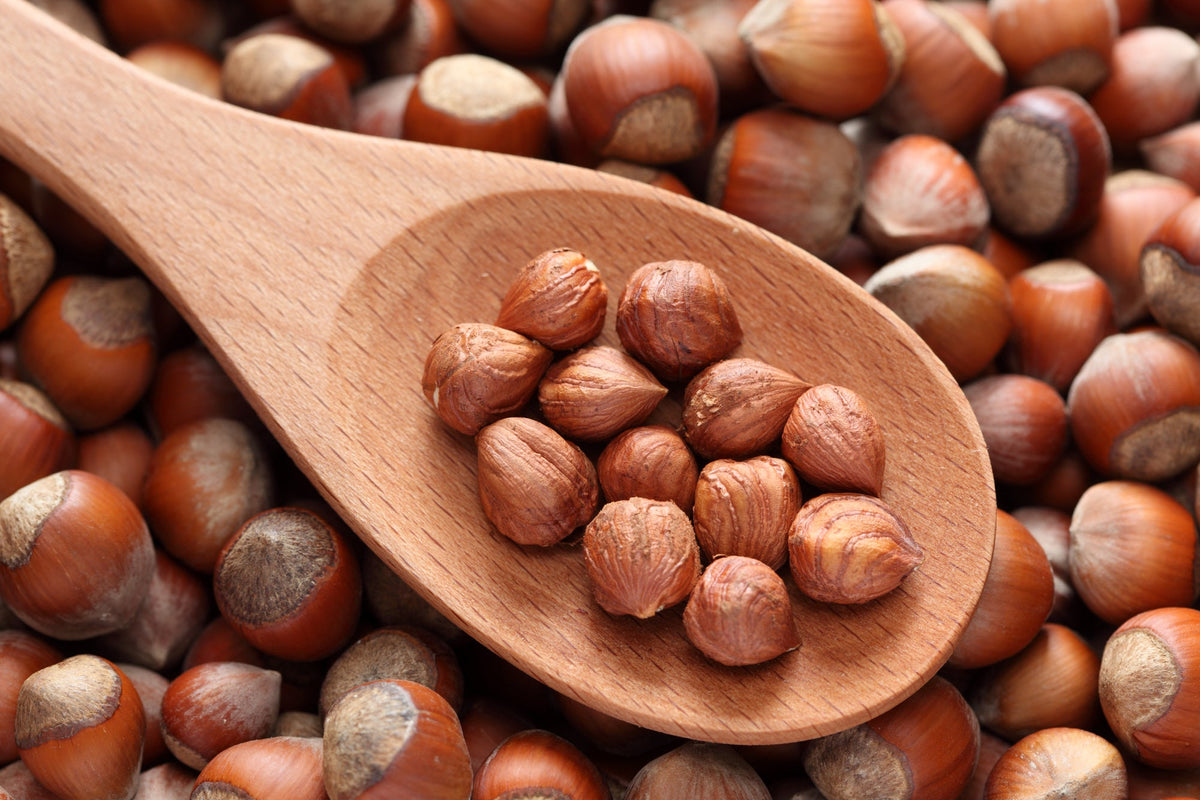
The heart of the confusion between "filbert" and "hazelnut" lies in how these terms are used botanically versus in common culinary and horticultural parlance. Generally, "hazelnut" serves as the umbrella term for the edible nuts produced by any species within the *Corylus* genus. Think of it as the family name. "Filbert," on the other hand, refers to a specific type of hazelnut, particularly those derived from *Corylus maxima*.
The most distinguishing botanical feature between what is typically called a hazelnut (often *Corylus avellana*) and a filbert (*Corylus maxima*) lies in the structure of their husks.
*
Common Hazelnuts (*Corylus avellana*): This species typically produces nuts whose husks are shorter, often split, and do not completely enclose the nut. They might cover about three-quarters of the nut, leaving part of it exposed. The common hazel is widely cultivated and responsible for many commercially available hazelnuts.
*
Filberts (*Corylus maxima*): True filberts are characterized by a husk that is significantly longer, completely encasing the nut, and often extending well beyond its tip, forming a distinctive "beard." This long, tubular husk is the defining visual characteristic of a filbert. The name "filbert" itself is thought to have possibly originated from Saint Philbert's Day (August 20th), which often coincides with the ripening of these nuts.
While this husk distinction provides a clear botanical differentiator, it's important to acknowledge that in everyday language and even in many commercial contexts, the terms "filbert" and "hazelnut" are frequently used interchangeably. Many people simply refer to any nut from a *Corylus* plant as a hazelnut, regardless of its specific species or husk characteristics. Furthermore, new cultivars, often hybrids, can blur these lines, sometimes exhibiting characteristics that blend traditional definitions.
The American hazelnut (*Corylus americana*) presents another variation. Its husks are often intermediate in length, sometimes partially enclosing the nut and sometimes extending a bit further, making it a beloved native species with its own unique charm and adaptability.
Cultivating Filbert Shrubs: A Gardener's Guide to Edible & Ornamental Beauty
Integrating filbert shrubs into your garden offers a delightful blend of ecological benefit, seasonal interest, and the bounty of delicious nuts. Their reputation for easy care makes them a fantastic choice for gardeners of all experience levels.
Ideal Growing Conditions
To ensure your filbert shrubs flourish, understanding their preferred environment is key:
- USDA Zones: Filberts are remarkably hardy, thriving across a broad range of USDA Zones 4 through 9. This adaptability makes them suitable for many climates.
- Light Requirements: While filbert shrubs perform best in full sun, meaning at least six hours of direct sunlight daily, their woodland origins mean they are quite tolerant of partial shade. In hotter climates, a spot that receives morning sun and afternoon shade can be ideal, protecting them from intense midday heat and preventing leaf scorch.
- Soil and Water: These resilient shrubs aren't overly particular about soil, flourishing in average, well-drained soil. Good drainage is crucial to prevent root rot. Once established, filberts are surprisingly drought-tolerant and generally require little to no supplemental watering, except during prolonged dry spells in their initial year of growth. For their first two months after planting, however, consistent weekly watering is vital for root establishment.
- Temperature and Humidity: Filberts are robust plants that handle moderate to high humidity levels without issue once established, making them a versatile choice for various regions.
Planting & Propagation
Whether you're starting with nursery plants or seeds, planting filberts is a straightforward process:
- Nursery Plants: The ideal time to plant nursery-grown filbert shrubs is in the spring. Dig a hole that is twice as wide as the root ball but only as deep as the plant was growing in its container. Gently place the plant, backfill with soil, and press down firmly to eliminate air pockets. Water thoroughly. If you're creating a hedge or border, space each plant 10 to 12 feet apart to allow for mature growth. For detailed planting and care instructions, dive deeper into our guide: Master Filbert Shrub Care: Planting, Growing, and Zone Tips.
- Seeds: For those with a bit more patience, planting filbert seeds in the fall is recommended. They require a period of cold stratification (a chilling period) to break dormancy. Cover seeds with about an inch of garden soil. Gently scoring the outer shell of the seeds with a file before planting can help speed up germination, though it may still take several months. Protect the seeds with a thick layer of mulch over winter. Alternatively, you can start seeds in pots and keep them in a cold frame, transplanting the seedlings outdoors in spring once they reach about 10 inches in height.
To make care even easier, applying a 3- to 4-inch layer of bark mulch around the base of your filbert shrubs will help retain soil moisture, suppress weeds, and regulate soil temperature, creating an almost maintenance-free garden bed. A slow-release granular fertilizer applied annually in spring can also boost their growth and nut production.
Ecological & Aesthetic Value
Beyond their delicious nuts, filbert shrubs are invaluable for creating a vibrant, wildlife-friendly landscape. Their dense branching provides excellent nesting sites and cover for various birds and small mammals, while the nuts themselves are a highly sought-after food source for squirrels, deer, and many bird species, contributing significantly to biodiversity. As a hardy woody plant, filbert can spread slowly to form colonies, making them excellent choices for naturalized areas or the back of a garden border where they can create an effective screen or backdrop. Learn more about their multifaceted benefits in your garden:
Filbert Shrubs: Easy Care, Edible Nuts & Wildlife Garden Benefits.
The Nutritional Bounty and Culinary Versatility of Filbert Nuts
Whether you call them filberts or hazelnuts, these delectable nuts are not just a treat for the taste buds but also a powerhouse of nutrition. Rich in healthy fats, protein, fiber, and an array of vitamins and minerals, they offer significant health benefits.
Filbert nuts are particularly celebrated for their monounsaturated fats, which are known to support heart health by helping to lower bad cholesterol levels. They are also an excellent source of Vitamin E, a potent antioxidant that protects cells from damage, and B vitamins, essential for energy metabolism. Minerals like manganese, copper, magnesium, and iron further enhance their nutritional profile, contributing to bone health, immune function, and red blood cell formation. Their high fiber content aids digestion and promotes a feeling of fullness, making them a smart snack choice.
Culinary applications for filbert nuts are incredibly diverse, owing to their rich, buttery flavor and satisfying crunch:
- Snacking: Roasted or raw, they make a perfect, nutritious snack on their own.
- Baking: Ground filberts add a unique depth to cakes, cookies, muffins, and tarts, especially when paired with chocolate or coffee flavors.
- Confectionery: They are a star ingredient in classic treats like pralines, gianduja (a sweet chocolate spread), and nougat.
- Savory Dishes: Chopped filberts can add texture and flavor to salads, grain bowls, pestos, and even serve as a crust for fish or poultry.
- Dairy Alternatives: Filbert milk offers a creamy, nutty alternative to dairy milk, and filbert butter is a delicious spread.
Their robust flavor holds up well in both sweet and savory preparations, making them a versatile ingredient in kitchens worldwide.
Conclusion
In the fascinating world of the *Corylus* genus, the distinction between "filbert" and "hazelnut" ultimately boils down to a botanical nuance concerning husk structure, with "hazelnut" being the broader, more encompassing term. While the European filbert (*Corylus maxima*) stands out with its signature long, enveloping husk, all members of this family share a common thread of delivering both ornamental beauty and a bounty of nutritious nuts. From their cheerful spring catkins and vibrant fall foliage to their role as vital wildlife habitats and producers of healthy, versatile nuts, filbert shrubs offer immense value to any garden. Embracing the diverse species within the *Corylus* genus allows gardeners and food lovers alike to appreciate the subtle differences and celebrate the shared richness of these remarkable plants.