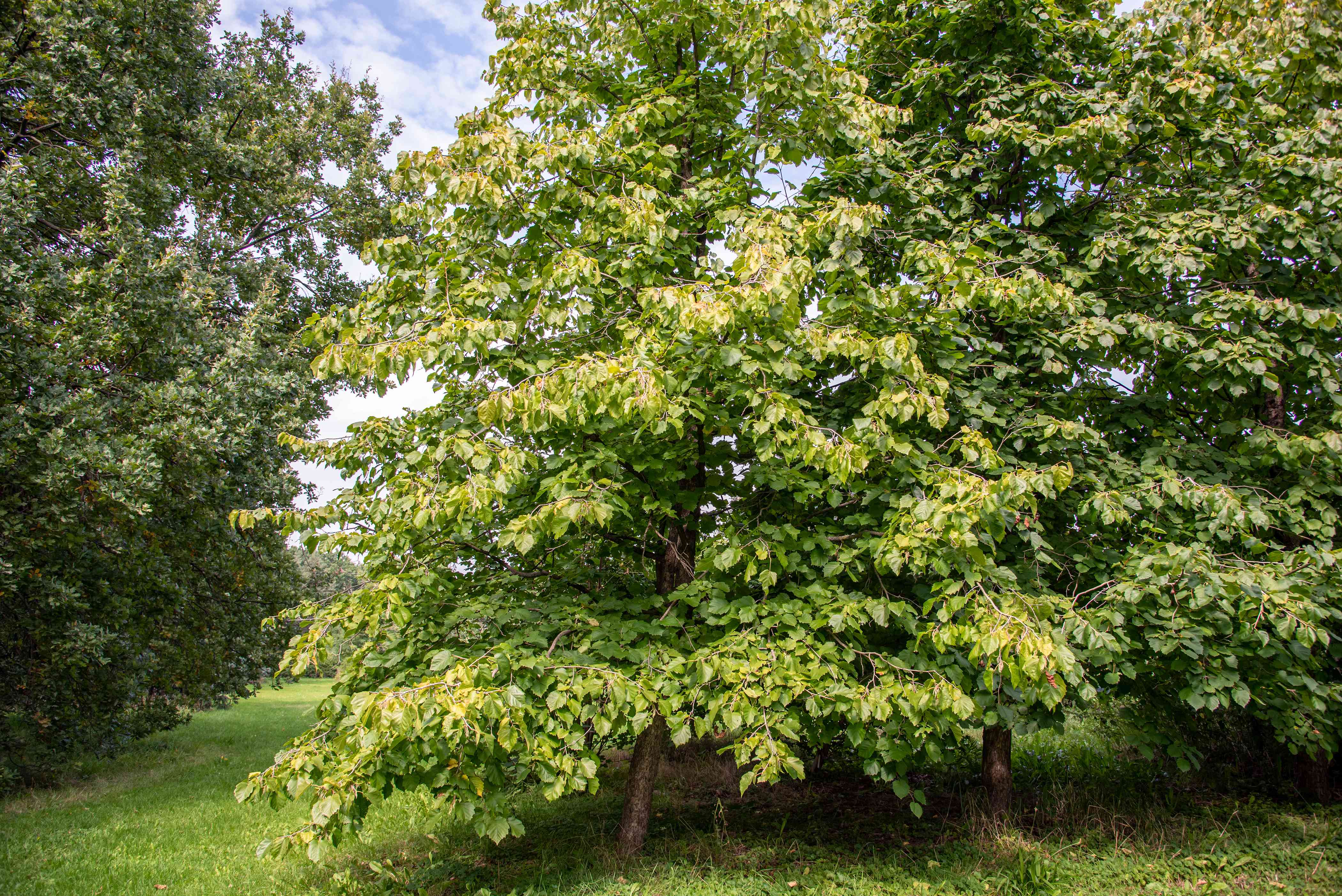
If you're searching for a woody plant that combines aesthetic appeal with remarkable resilience and even offers an edible bounty, look no further than the Filbert shrub. Also widely known as hazel or hazelnut, these versatile plants (belonging to the Corylus genus) are a true garden workhorse. From their vibrant spring catkins and stunning fall foliage to their valuable contribution to local wildlife and the delicious nuts they produce, Filberts are an exceptional choice for nearly any landscape.
Whether you're looking to create a lush, low-maintenance border, establish a natural screen, or simply add a touch of ecological richness to your garden, mastering Filbert care is a rewarding endeavor. This comprehensive guide will walk you through everything you need to know about planting, growing, and maintaining these magnificent shrubs, ensuring they thrive in your garden for years to come.
Understanding Your Filbert: A Versatile Garden Gem
The terms "Filbert," "hazelnut," and "hazel" are often used interchangeably, and while they all refer to plants within the Corylus genus, there are some subtle distinctions worth noting. Broadly speaking, "hazelnut" is the general term for the edible nuts produced by various Corylus species. "Filbert," specifically, refers to a particular type of hazelnut, most commonly derived from Corylus maxima, often distinguished by its elongated nut fully enclosed by its husk. Other prominent species include the common hazel (Corylus avellana) and the American hazelnut (Corylus americana).
To dive deeper into these fascinating botanical differences, you can explore our detailed article on Filberts vs. Hazelnuts: Unraveling the Key Differences & Species. Regardless of the specific species you choose, all Filberts share a host of desirable characteristics.
Beyond the Nut: A Shrub for All Seasons
- Spring Spectacle: One of the earliest woody plants to announce spring, Filbert shrubs produce clusters of bright yellow, pendulous catkins. These delicate blooms are a welcome sight and make excellent companions for early-flowering bulbs, adding a captivating dimension to your spring garden.
- Lush Summer Foliage: Throughout the growing season, Filberts are adorned with large, round leaves that provide a dense, verdant backdrop to your garden.
- Vibrant Fall Colors: As autumn approaches, the foliage transforms into brilliant shades of yellow and orange, contributing a warm glow to the landscape before eventually dropping.
- Winter Interest: Even after the leaves have fallen, the shrub’s graceful and often intricate branching habit remains, offering structural beauty in the dormant season.
Filbert shrubs are also celebrated for their easy-growing nature and adaptability, tolerating a range of conditions, including some shade. They spread slowly to form attractive colonies, making them ideal for the back of a border, creating a natural screen, or contributing to a wildlife-friendly garden. Their nuts provide a vital food source for squirrels, birds, and other creatures, reinforcing their value as an ecological asset.
Optimal Planting for Thriving Filbert Shrubs
Establishing your Filbert shrubs correctly from the outset is crucial for their long-term health and productivity. Fortunately, these plants are remarkably forgiving.
Climate and Zones
Filbert shrubs are incredibly hardy and thrive across a wide range of climates, generally performing best in USDA Plant Hardiness Zones 4 through 9. This broad adaptability makes them suitable for many different regions.
Light Requirements
Originally found in woodland areas, Filberts demonstrate a commendable tolerance for various light conditions. They prefer full sun to partial shade. While they will produce the most nuts and exhibit the strongest growth in full sun (at least 6 hours of direct sunlight daily), they can handle part shade quite well. In hotter climates, they may even appreciate some afternoon shade, especially if they receive ample morning sun, to protect them from intense heat and prevent leaf scorch.
Soil and Water Foundations
One of the reasons for the Filbert's "easy-care" reputation is its minimal demands regarding soil. These shrubs are happy in average, well-drained soil. The key here is "well-drained" – Filberts do not tolerate consistently wet or waterlogged conditions, which can lead to root rot. If your soil is particularly heavy clay, amending it with organic matter like compost before planting can significantly improve drainage and aeration, giving your Filbert the best start.
Planting Nursery-Grown Filberts
The best time to plant nursery-grown Filbert shrubs is in the spring, after the last threat of frost has passed.
- Prepare the Hole: Dig a hole that is twice as wide as the root ball of your nursery plant, but only as deep as the root ball itself. This allows the roots ample space to spread horizontally into the surrounding soil.
- Position the Plant: Carefully remove the Filbert from its container. Gently loosen any circling roots at the bottom. Place the plant in the center of the hole, ensuring the top of the root ball is level with the surrounding soil. The plant should be at the same depth it was growing in its nursery container.
- Backfill and Firm: Fill the hole with the excavated soil, gently pressing down as you go to remove any large air pockets around the roots.
- Initial Watering: Give the newly planted Filbert a good, deep watering immediately after planting. This helps settle the soil and provides much-needed moisture.
- Spacing: If you are planting multiple Filberts to create a hedge or border, space each plant 10 to 12 feet apart. This allows sufficient room for their mature size and spread.
- Establishment Watering: For the first two months after planting, water your Filbert shrubs weekly, especially if there isn't sufficient rainfall. This consistent moisture is crucial for root establishment.
Starting Filberts from Seed
If you prefer to grow your Filberts from seed, the process requires a bit more patience but is equally rewarding. Sow seeds in the fall, as they require a period of cold stratification – a chilling period that mimics winter conditions and breaks dormancy – to germinate successfully.
- Direct Sowing: Plant seeds directly outdoors in the fall. Cover them with about an inch of garden soil. To protect them during winter and encourage successful stratification, apply a thick layer of mulch over the planting site. Be prepared for slow germination; it may take several months, or even a full year, for seedlings to emerge.
- Accelerating Germination: Gently scoring the hard outer shell of the seeds with a file before planting can help speed up the germination process by allowing moisture to penetrate more easily.
- Indoor Stratification (Alternative): For more controlled conditions, you can start seeds in pots and keep them in a cold frame or unheated garage over winter. Once they germinate and reach about 10 inches tall in spring, they can be transplanted outdoors to their permanent location.
Essential Care for Established Filbert Shrubs
Once your Filbert shrubs are established, they are remarkably low-maintenance, making them an excellent choice for gardeners seeking ease and beauty.
Watering Regimen
After their first year of establishment, Filberts become quite drought-tolerant. They generally do not require additional watering beyond natural rainfall. However, during prolonged dry spells or periods of extreme heat, especially in their first year, occasional deep watering will be beneficial.
Fertilization Needs
To promote robust growth and healthy nut production, apply a slow-release granular fertilizer in early spring before new growth begins. A balanced, all-purpose fertilizer is typically sufficient. For precise nutrient recommendations, consider a soil test every few years to tailor your fertilization strategy to your specific garden's needs.
The Magic of Mulch
One of the best ways to keep your Filbert shrubs thriving with minimal effort is to maintain a 3- to 4-inch layer of bark mulch around the base of the plants. Mulch offers numerous benefits:
- Moisture Retention: It helps the soil retain moisture, reducing the need for frequent watering.
- Weed Suppression: It acts as a barrier against weeds, competing for water and nutrients.
- Temperature Regulation: It insulates the soil, keeping roots cooler in summer and warmer in winter.
- Nutrient Contribution: As organic mulches decompose, they slowly release nutrients back into the soil.
Temperature and Humidity Resilience
As mentioned, Filberts are hardy in USDA Zones 4-9 and are well-adapted to managing moderate to high humidity levels without issues. Their resilience to various environmental conditions further solidifies their reputation as an "easy-care" plant.
Pruning for Health and Shape
While Filbert shrubs are generally self-sufficient, occasional pruning can help maintain their health, shape, and productivity. The best time for pruning is in late winter or early spring when the plant is dormant. Focus on:
- Removing any dead, damaged, or diseased branches.
- Thinning out crowded areas to improve air circulation, which can help prevent fungal issues.
- Shaping the shrub to your desired form, whether as a multi-stemmed bush or a small tree.
Maximizing the Benefits of Your Filbert Garden
Beyond their low-maintenance appeal, Filbert shrubs offer a wealth of advantages that can enrich any garden setting.
- Wildlife Oasis: Their nuts are a prized food source, attracting and sustaining a variety of local wildlife, making your garden a lively ecosystem.
- Landscape Versatility: Perfect for creating privacy screens, adding structure to the back of a perennial border, or naturalizing in larger landscapes. Their colony-forming habit makes them excellent for erosion control on slopes.
- Edible Bounty: The ultimate reward for growing Filbert shrubs is, of course, the delicious nuts! While specific harvesting times vary by species and climate, nuts are typically ready for collection in late summer or early fall when their husks begin to turn brown and the nuts can be easily removed.
Mastering Filbert shrub care is not just about growing a plant; it's about cultivating a resilient, beautiful, and productive element in your landscape. From their captivating spring catkins and vibrant fall foliage to their ecological benefits and the delightful harvest of edible nuts, Filberts prove to be an exceptional choice for any gardener. Their easy-growing nature, adaptability to various conditions, and minimal maintenance requirements make them a truly rewarding addition.
Whether you're a seasoned gardener looking to expand your edible landscape or a budding enthusiast seeking a reliable and attractive shrub, planting Filbert shrubs promises years of enjoyment and a significant contribution to both your garden's aesthetic and ecological balance.