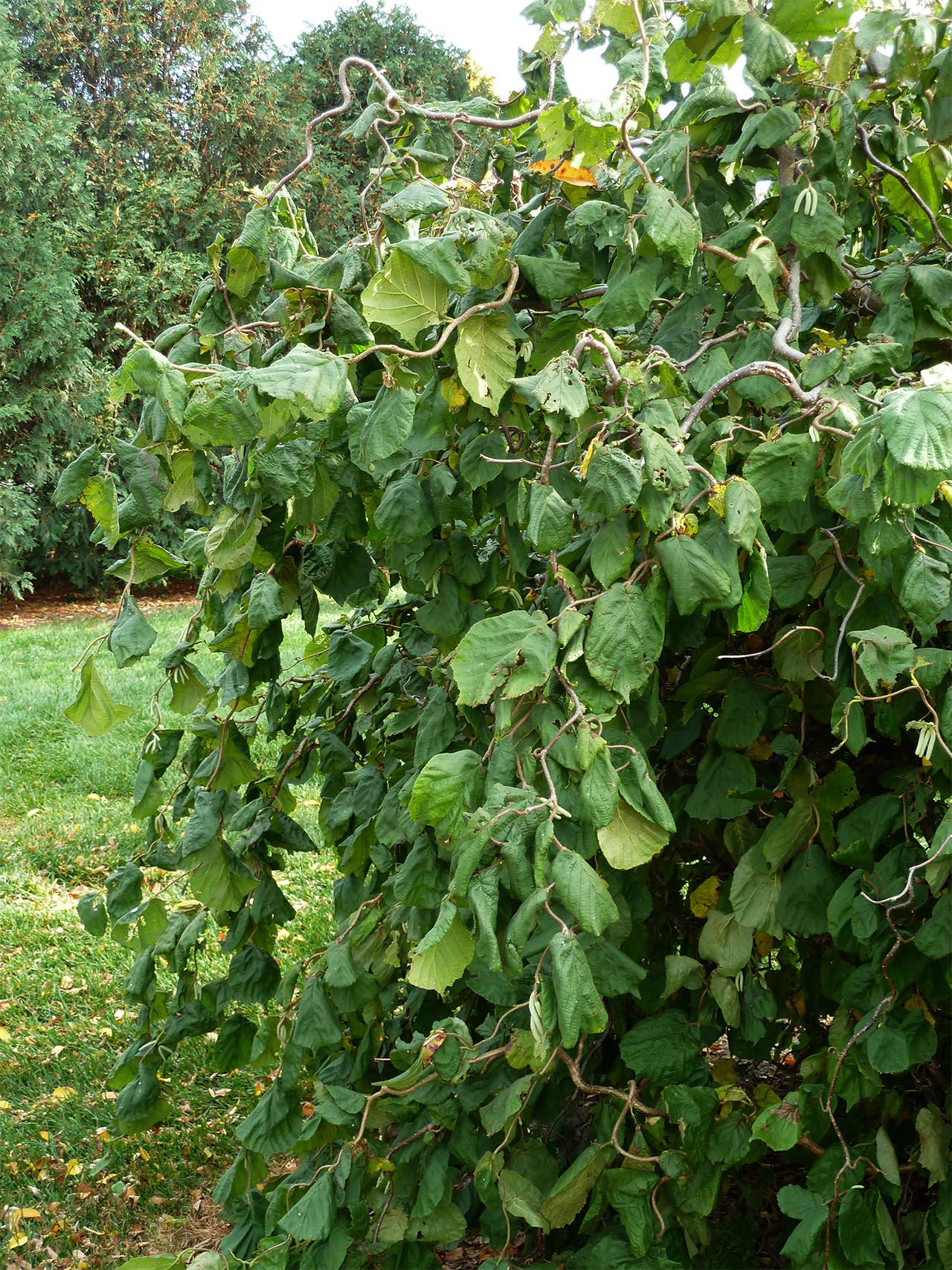
Transforming your garden into a thriving, productive, and aesthetically pleasing haven is a rewarding endeavor. Among the myriad of plant choices, the Filbert shrub stands out as an exceptionally versatile and easy-to-care-for option. Often referred to interchangeably as hazel or hazelnut, these deciduous shrubs (Corylus spp.) offer a compelling package: ornamental beauty, delicious edible nuts, and invaluable benefits for local wildlife. Whether you're a seasoned gardener or just starting, integrating Filbert shrubs into your landscape promises both ease of maintenance and a bountiful harvest.
Discover the Versatility of Filbert Shrubs in Your Landscape
Filbert shrubs, botanically known as members of the Corylus genus, are true garden workhorses. They are renowned for their forgiving nature and adaptability, making them an excellent choice for various garden settings. These robust shrubs tolerate a range of conditions, including some shade, making them perfect for filling out the back of a garden border where other plants might struggle.
Beyond their adaptability, Filberts play a crucial ecological role. They are one of the few woody plants native to prairie-like environments, spreading slowly to form natural colonies. These colonies provide essential habitat and food sources for a diverse array of wildlife, from birds seeking shelter to squirrels and other mammals relishing their nutritious nuts.
The seasonal display of Filbert shrubs adds significant ornamental value to any garden. In early spring, before many other plants have awakened, they burst forth with clusters of bright yellow catkins, offering a welcome splash of color and an early nectar source for pollinators. This vibrant spring show makes them wonderful companions for early-flowering bulbs. As autumn arrives, their large, rounded leaves transition into stunning shades of yellow and orange, creating a spectacular fall foliage display. Once the leaves drop, the shrub's intricate and graceful branching habit is revealed, adding architectural interest to the winter landscape.
A key attraction of all shrubs within the Corylus genus is their production of edible nuts. While many people use the terms "hazelnut" and "Filbert" interchangeably, there's a subtle distinction. "Hazelnut" is a broad term for the nuts produced by various Corylus species. "Filbert" specifically refers to certain types, particularly Corylus maxima, characterized by its long husk that completely encloses the nut. For a deeper dive into these fascinating botanical differences, you can explore Filberts vs. Hazelnuts: Unraveling the Key Differences & Species. The most common species cultivated include the Common Hazel (Corylus avellana), the Filbert (Corylus maxima), and the American Hazelnut (Corylus americana). While the American Hazelnut is native to North America, the Common Hazel and Filbert originated in Europe and Asia, bringing centuries of cultivation history to your garden.
Essential Planting & Care for Thriving Filberts
Getting your Filbert shrubs off to a strong start and maintaining their health is surprisingly straightforward, thanks to their resilient nature. Here’s how to ensure your plants flourish:
Optimal Planting Conditions
- Hardiness Zones: Filbert shrubs thrive in USDA Zones 4-9, making them suitable for a wide range of climates.
- Sunlight: While they flourish in full sun, their woodland origins mean they are quite tolerant of partial shade. Ideally, aim for locations that receive morning sun followed by afternoon shade, especially in hotter climates, to prevent leaf scorch.
- Soil: They are not particular about soil type but absolutely require well-drained soil. Average garden soil is usually sufficient. Avoid waterlogged conditions, which can lead to root rot.
- Location: Filberts are perfect for the back of a garden border, as a natural privacy screen, or as part of a dedicated wildlife-friendly area.
Planting Nursery-Grown Filberts
The best time to plant nursery-grown Filbert shrubs is in the spring. Follow these steps for successful establishment:
- Prepare the Hole: Dig a hole that is twice as wide as the root ball of your plant, but no deeper. The goal is to allow roots to spread easily into loose soil.
- Position the Plant: Carefully remove the plant from its container and place it in the center of the hole, ensuring the top of the root ball is level with the surrounding soil. It should be planted at the same depth it was growing in the nursery pot.
- Backfill and Water: Fill the hole with soil, gently pressing down to remove any air pockets around the roots. Water thoroughly immediately after planting to help settle the soil.
- Spacing: If you're creating a hedge or border, space each Filbert plant 10-12 feet apart to allow for mature growth and colony formation.
- Initial Watering: For the first two months after planting, water your new Filbert shrubs weekly, especially during dry spells, to help them establish a strong root system.
Propagating Filberts from Seed
If you prefer to grow Filberts from seed, you'll need a bit more patience and preparation:
- Timing: Sow Filbert seeds in the fall. They require a period of cold stratification – a natural chilling period that mimics winter conditions – to break dormancy and germinate.
- Sowing Depth: Plant the seeds about 1 inch deep in garden soil.
- Germination: Be patient, as germination can take several months. To potentially speed up the process, you can gently score the hard outer shell of the seeds with a file before planting.
- Winter Protection: Protect newly sown seeds with a thick layer of mulch to insulate them through winter and provide an added layer of protection from foraging animals.
- Alternative Method: Alternatively, you can start seeds in pots and keep them in a cold frame over winter. Transplant the seedlings outdoors in spring once they reach about 10 inches tall.
Ongoing Maintenance
Once established, Filbert shrubs are remarkably low-maintenance, making them a gardener's delight:
- Watering: During their first year, water your Filberts during extended dry periods. After establishment, they are quite drought-tolerant and generally do not require supplemental watering, except in extreme heat or prolonged drought.
- Mulching: Spread a 3- to 4-inch layer of organic bark mulch around the base of your Filbert plants. This simple step is a game-changer for reducing maintenance. Mulch helps retain soil moisture, suppresses weed growth, regulates soil temperature, and enriches the soil as it breaks down.
- Fertilization: Apply a slow-release granular fertilizer in early spring to provide essential nutrients for healthy growth and nut production.
- Temperature & Humidity: Once established, Filberts are exceptionally hardy in their recommended zones and handle moderate to high humidity levels without issue.
For more detailed insights into caring for these wonderful plants, be sure to consult our comprehensive guide: Master Filbert Shrub Care: Planting, Growing, and Zone Tips.
The Sweet Reward: Edible Filbert Nuts & Their Benefits
One of the most appealing aspects of growing Filbert shrubs is the delicious bounty they provide. All species within the Corylus genus produce edible nuts, known for their rich, buttery flavor and satisfying crunch. These nuts are not only a culinary delight but also packed with nutritional benefits.
Filbert nuts are a good source of healthy monounsaturated fats, protein, dietary fiber, and a variety of essential vitamins and minerals, including Vitamin E, B vitamins, magnesium, and manganese. Incorporating them into your diet can support heart health, provide sustained energy, and contribute to overall well-being.
Harvesting Filbert nuts typically occurs in late summer or early fall when the nuts mature and begin to drop from the tree. You can also gently shake the branches to dislodge ripened nuts. After collection, it's crucial to dry them thoroughly in a cool, well-ventilated area for several weeks to prevent mold and ensure long-term storage. Once dried, they can be stored in airtight containers for months, or frozen for even longer preservation.
From a culinary perspective, Filbert nuts are incredibly versatile. They can be enjoyed raw as a healthy snack, roasted to intensify their flavor, or incorporated into a vast array of dishes. Imagine adding them to baked goods like cookies, cakes, and bread, sprinkling them over salads for added texture, or grinding them into nut butter. Their distinctive flavor also makes them a popular ingredient in confections and gourmet recipes.
Filberts as a Cornerstone of Your Wildlife Garden
Beyond their aesthetic appeal and culinary contributions, Filbert shrubs are ecological powerhouses, serving as a vital component of a thriving wildlife garden. By planting Filberts, you are not just adding a plant; you are cultivating a mini-ecosystem.
- Food Source: The nuts are a prime food source for numerous wildlife species, including squirrels, chipmunks, blue jays, woodpeckers, and other small mammals and birds. The early spring catkins also provide pollen and nectar for emerging bees and other early pollinators.
- Habitat & Shelter: The dense branching structure of Filbert shrubs offers excellent cover and nesting sites for birds and small mammals, protecting them from predators and harsh weather. As they slowly spread to form colonies, they create naturalized thickets that mimic native woodland edges, providing secure havens.
- Biodiversity: Including native or well-adapted non-native Filbert species enhances biodiversity in your garden, supporting the local food web and creating a more resilient ecosystem. Their presence can attract a wider variety of beneficial insects and wildlife, contributing to a balanced and healthy garden environment.
Planting Filbert shrubs is an investment in your garden's beauty, your pantry's delights, and the health of your local environment. They are a testament to how effortless gardening can be when you choose plants that offer multi-faceted benefits.
In conclusion, Filbert shrubs (Corylus spp.) are an outstanding choice for nearly any gardener. Their easy-care nature, tolerance to varying light conditions, and robust hardiness make them simple to incorporate. From the vibrant yellow catkins of spring to the stunning fall foliage and architectural winter branches, their ornamental value is undeniable. Coupled with the delicious, nutritious nuts they produce and their significant contribution to supporting local wildlife, Filberts truly embody the ideal garden plant. Embrace the beauty and bounty of Filbert shrubs, and watch your garden flourish with life and flavor.